LiFePO4 vs. NMC batteries: which chemistry is better for backup power?
For home backup, LiFePO4 (lithium iron phosphate) is usually the better choice. It tolerates heat better and is typically rated for thousands of charge cycles. NMC (nickel manganese cobalt) packs more energy into less weight, which suits units you carry often, but it usually lists fewer rated cycles.
Part of our home backup planning guides. Start with How to size a battery backup system for your home.
What are LiFePO4 and NMC batteries?
Both are lithium-ion batteries. The name refers to the cathode material. LiFePO4, often shortened to LFP, uses lithium iron phosphate. NMC uses a mix of nickel, manganese, and cobalt. Most home batteries and many current power stations use LFP, while NMC is common in laptops, phones, and older or lighter portable units.
How do the two chemistries compare?
| LiFePO4 (LFP) | NMC | |
|---|---|---|
| Rated cycle life | Typically thousands of cycles | Typically fewer; check the spec sheet |
| Weight for the same capacity | Heavier | Lighter |
| Heat tolerance | More thermally stable | Less tolerant of high temperatures |
| Best fit | Home backup, daily solar cycling | Frequent carrying, travel |
What does cycle life mean in practice?
A cycle is one full discharge and recharge. Manufacturers usually rate cycle life as the number of cycles before capacity falls to a set level, often 80% of the original. Many current LFP power stations list 3,000 or more cycles to 80% on their spec sheets. If you cycle a battery daily with solar, that difference adds up over years; if it sits charged for occasional outages, calendar aging matters as much as cycles.
When comparing products, look for the cycle count and the capacity percentage it is measured to. A rating of 3,000 cycles to 80% is not the same as 3,000 cycles to 70%.
When does lighter weight matter?
If a unit lives next to your refrigerator or in a utility room, a few extra pounds do not matter. If you carry it to campsites, job sites, or between rooms every week, NMC’s lower weight for the same capacity can be worth the shorter rated life. Check the listed weight alongside capacity before buying.
How should I store a backup battery between outages?
- Store it in a cool, dry place and avoid hot garages or car trunks in summer.
- Follow the manufacturer’s recommended storage charge level and top it up every few months.
- Run a short discharge test before storm season so you know it works and what it can power.
Chemistry is one factor; capacity and output still decide whether a battery covers your needs. Use our guide to sizing a home battery backup to set those numbers first.
Products to consider
Examples from our catalog that fit this guide. Check each product’s specifications against your own numbers before you order.
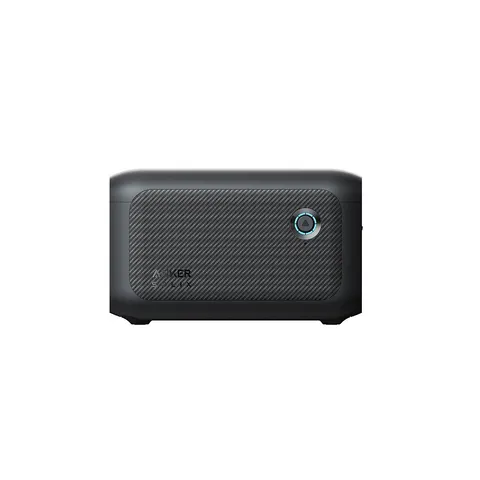
Anker SOLIX
Anker | SOLIX BP1000 Expansion Battery 1056Wh LFP | For SOLIX C1000 | A1761B
The Anker SOLIX BP1000 is a 1,056Wh LFP expansion battery made to pair with the SOLIX C1000. It adds capacity to a C1000 for longer outages or trips.
$356.93
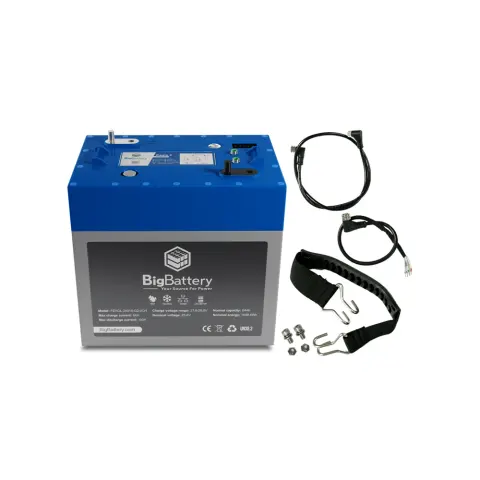
BigBattery
BigBattery | 24V EAGLE 2 | LiFePO4 Lithium Battery 1.63kWh | For Boats & Motorcycles
BigBattery's 24V EAGLE 2 is a compact LiFePO4 battery with 1.63kWh of storage. It is designed as a drop-in replacement for lead-acid batteries in low-voltage mobile systems.
$552.50
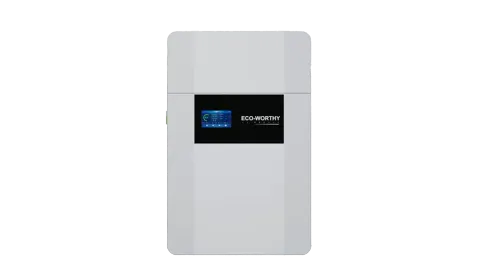
ECO-WORTHY
ECO-WORTHY 48V 100Ah Wall-Mount Lithium Battery with Conduit Box, Bluetooth and WiFi, Internal Fire Extinguisher, LiFePO4 Energy Storage
A wall-mount 48V 100Ah LiFePO4 battery from ECO-WORTHY, listed with a conduit box, Bluetooth and WiFi, and an internal fire extinguisher. It is aimed at home energy storage setups that need a battery mounted on the wall.
$807.49
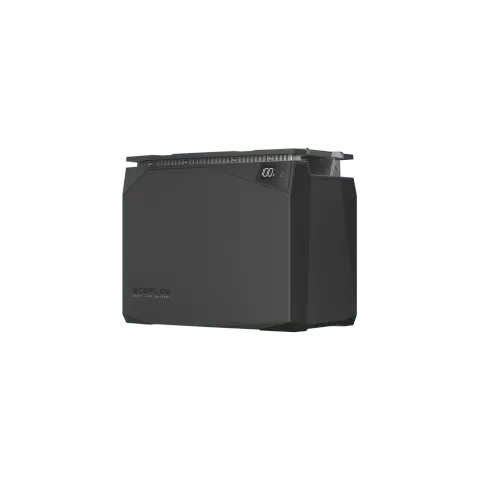
EcoFlow
EcoFlow 5kWh LFP Battery
Built-in auto heating lets this EcoFlow 5kWh LFP battery work in temperatures as low as -4°F. It is a stackable, hot-swap expansion battery with an advanced BMS.
$1,399.20
Frequently asked questions
Is LiFePO4 safer than NMC?
LiFePO4 is more thermally stable, meaning it resists overheating better, which is one reason it is widely used in home energy storage. Both chemistries are used safely in certified products with a battery management system. Look for recognized safety certifications on any battery you buy.
How long does a LiFePO4 power station last?
It depends on how often you cycle it. A unit rated for 3,000 cycles to 80% capacity and cycled once a day would reach that point after roughly eight years. Used only during occasional outages, it will usually age from time in storage before it reaches its cycle rating.
Can I mix LiFePO4 and NMC batteries?
Not within the same battery bank. Different chemistries charge at different voltages and need different settings. Expansion batteries should be the models the power station manufacturer lists as compatible.