Portable power station vs. gas generator for home backup
A portable power station is a battery with a built-in inverter. It runs silently and makes no exhaust, so it can be used indoors, but it stops when the battery is empty unless you recharge it. A gas generator runs as long as it has fuel, handles bigger loads for less money, but must stay outdoors because of carbon monoxide.
Part of our home backup planning guides. Start with How to size a battery backup system for your home.
What is the main difference?
A generator makes electricity by burning fuel. A power station stores electricity you put into it earlier, from a wall outlet or from solar panels. That single difference drives almost every trade-off below.
How do they compare side by side?
| Portable power station | Gas generator | |
|---|---|---|
| Indoor use | Yes, no exhaust | Never; outdoors only |
| Runtime | Limited by battery size; recharge from solar or grid | As long as fuel lasts |
| Noise | Near silent (cooling fans only) | Engine noise |
| Maintenance | Little; keep it charged | Oil changes, fuel stabilizer, regular test runs |
| Fuel storage | None | Gasoline or propane stored safely outside the home |
| High-wattage loads | Depends on inverter size | Often cheaper per watt of output |
Why does indoor safety matter so much?
Generator exhaust contains carbon monoxide, which you cannot see or smell. The Consumer Product Safety Commission says never to run a generator inside a home, garage, crawlspace, or shed, even with fans running or doors and windows open, because deadly levels of carbon monoxide can build up quickly and linger for hours. It advises placing the generator outdoors, far from doors, windows, and vents, and installing battery-powered carbon monoxide alarms.
A power station has no engine and no exhaust, so it can sit next to the refrigerator or a bedside CPAP machine. For apartments and homes without a safe outdoor spot, that often settles the decision.
Which one lasts longer in a long outage?
With fuel on hand, a generator wins on raw runtime. A power station lasts as long as its stored energy; our guide on how long a power station runs a refrigerator shows the math. Solar panels change the picture: a station that recharges from panels during the day can keep essential loads going for days as long as the weather cooperates, without buying fuel.
Which should you choose?
- Choose a power station if you need backup indoors, want quiet operation, or mostly run 120 V essentials such as a refrigerator and a CPAP machine.
- Choose a generator if you need to run large loads for many days and can store fuel and operate the unit safely outdoors.
- Many households use both: a power station for quiet, indoor essentials and a generator outside to recharge it during an extended outage.
Products to consider
Examples from our catalog that fit this guide. Check each product’s specifications against your own numbers before you order.
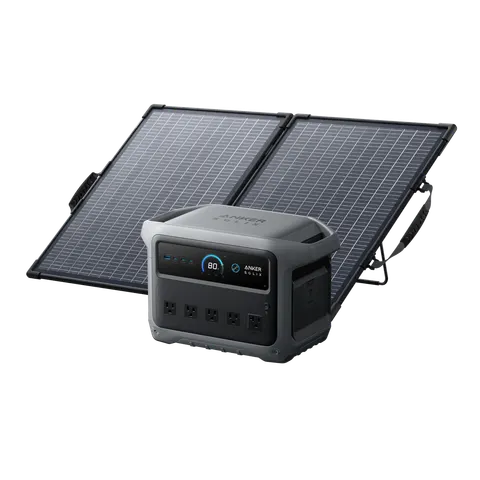
Anker SOLIX
Anker SOLIX C1000 Gen 2 Portable Power Station with 100W Bifacial Solar Panel
The C1000 Gen 2 comes here with a 100W bifacial solar panel for off-grid charging. The power station accepts up to 600W (60V max) of solar and can recharge fully in 1.8 hours at that input.
$577.99
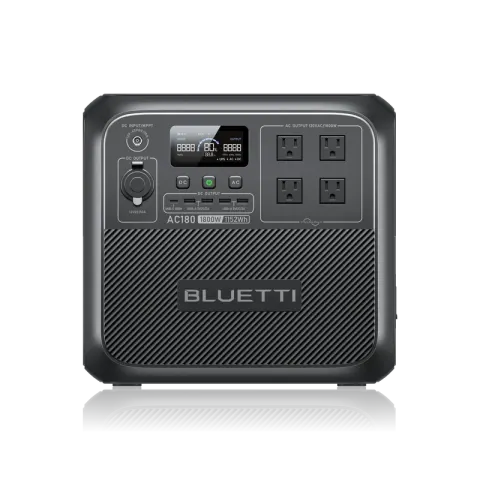
BLUETTI
BLUETTI AC180 Solar Portable Power Station | 1,800W 1,152Wh
For a portable power station that charges quickly, BLUETTI offers the AC180. It is rated at 1,800W with 1,152Wh of capacity and nine outputs.
$404.10
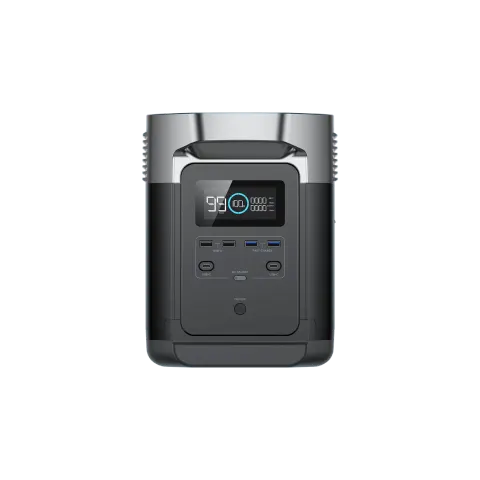
EcoFlow
EcoFlow DELTA 1300 Portable Power Station
With 1260Wh of capacity and six AC outlets totalling 1800W, the EcoFlow DELTA 1300 is a battery-powered generator for home and outdoor use. It charges from 0 to 80% in about an hour.
$636.65
Champion
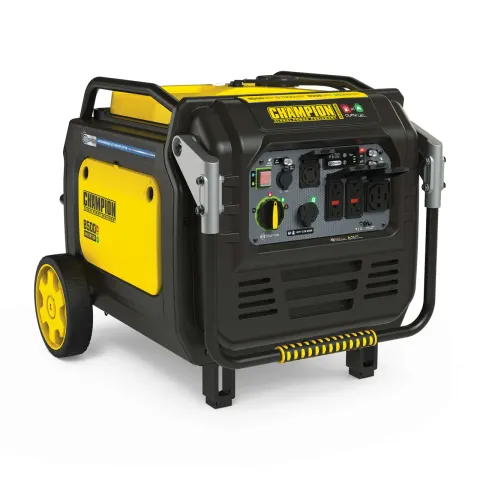
Champion 8500 Watt Dual Fuel Inverter Generator with Electric Start
Champion's 8500 Watt dual fuel inverter generator (model 201175) runs on gasoline or propane and starts at the push of a button. It is aimed at homeowners who want outage backup, RV owners, and anyone who needs quiet, clean power on a jobsite or campsite.
$1,444.00
Frequently asked questions
Can I use a portable power station indoors?
Yes. A battery power station produces no exhaust, so it is designed for indoor use. Keep it on a stable surface with space around the vents and away from water. Follow the manufacturer’s charging instructions. Gas generators are different and must never run indoors or in a garage.
Is a power station quieter than an inverter generator?
Yes. A power station has no engine, so the only sound comes from cooling fans that switch on under heavy load or while charging. Even quiet inverter generators have a running engine, which is why power stations are popular for bedrooms and for campgrounds with quiet hours.
Can a gas generator charge a power station?
Many power stations accept AC charging from a generator the same way they charge from a wall outlet. Check the power station manual for any generator guidance, and run the generator outdoors, far from windows and doors, while it charges the station.